President Biden’s State of the Union address last week offered yet another reminder that our time is one of the most polarized times in American history. Political differences divide our society not only during election season but non-stop, and they are reflected in popular culture, education, and business. Many investors allow their own political attitudes to influence their decisions about what to invest in and even whether to be invested. Although politics can always influence the macro-economic environment and outlook for particular sectors of business, this influence often is not predictable or even consistent. Any investor–and particularly a Market FIRE investor who actively invests in the stock market to make a living–should always be aware of the influence of politics on the market, but he should also never allow his own political views to dictate investment decisions. However, because politics inevitably will affect judgments by many market observers, investors should always make sure to gain market news and commentary from multiple sources with differing political perspectives.
I. Overall Market Performance and Industry Stock Performance Do Not Automatically Correlate with Which Political Party is in Power
At a general level, it is generally believed that Republicans are better for business because their policies are more pro-business, while Democrats are not as beneficial for business because of their general preference for anti-business policies. Though this has often been historically true, the performance of the stock market has not always been better or worse depending on which party has been in power.
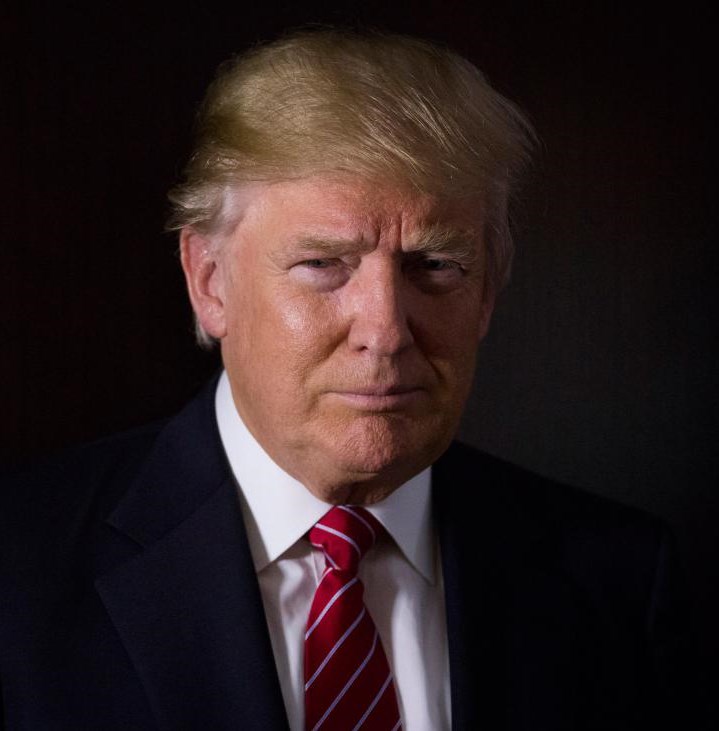
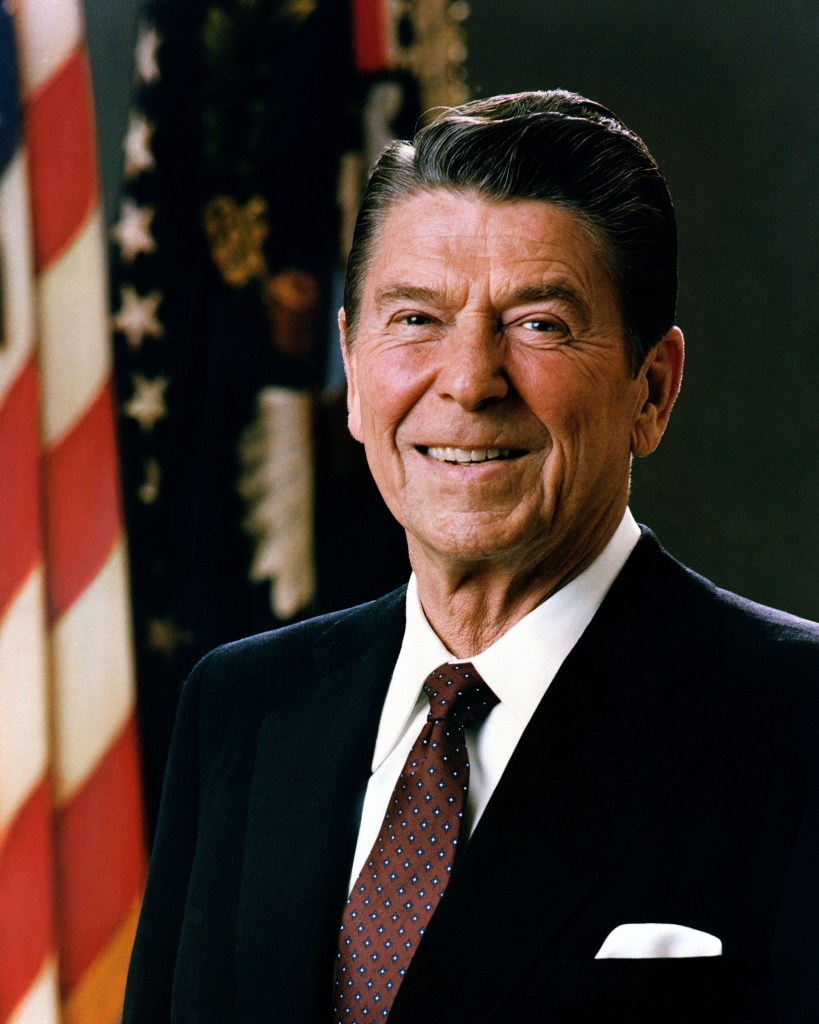
In recent history, for instance, the stock market performed very well when conservative Republicans Ronald Reagan and Donald Trump were president, but it did not perform very well when moderately conservative Republican George W. Bush was President. Similarly, the stock market performed very well when moderate liberal Democrat Bill Clinton and (at times) when liberal Democrat Barack Obama were president, but it did not perform well when moderately liberal Democrat Jimmy Carter was president. While it is certainly true that political policies can influence stock market performance, broader geopolitical and economic forces can often be even more influential. For instance, the terrorist attacks on 9/11 and onset of the Global Financial Crisis were more decisive in causing the stock market to sink during George W. Bush’s time as president, while the reflexive bounce back in sentiment following the Global Financial Crisis at the start of Barrack Obama’s presidency was perhaps more influential in the resurgence of stock market during that time than any particular political policies.
Likewise, as sector-related examples, it would generally be expected that Republicans’ more pro-drilling policies would result in better market performance for oil and gas exploration and production stocks, while Democrats’ more hostile policies towards this industry would result in worse performance for these stocks. Similarly, it would generally be expected that Republicans’ more pro-free market policies would result in better market performance for pharmaceutical companies, while Democrats’ more heavily regulatory policies would result in overall worse performance for these stocks. However, recent history has not supported any of these political-financial correlations.
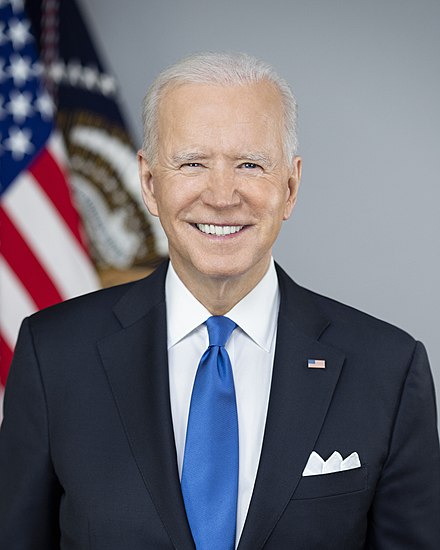

In actuality for stocks in these industry sectors, during the early days of the fracking revolution, even as anti-drilling Barack Obama was in power, oil and gas companies showed phenomenal market performance. As the oversupply of oil and gas lowered prices and profits for energy companies, even as pro-energy Donald Trump was in power, oil and gas companies’ stock did not perform so well (with such underperformance having started towards the end of the Obama Administration). Then stocks for oil and gas companies surged at the start of the anti-drilling administration of Joe Biden, despite his policies, as the post-pandemic reopening resulted in a surge in demand combined with higher prices and lowered capacity by these companies.
Similarly for the pharmaceutical industry, as Obamacare was enacted and many feared socialized medicine, pharmaceutical stocks surged during the Obama Administration when the most socialistic components of Obama’s policy proposals were not enacted and the pharmaceutical and other healthcare companies experienced a swelling customer base. As these trends stabilized during the Trump administration, pharmaceutical stocks generally did not have nearly as much growth.
II. Specific Policy Developments Do Affect Stock Performance
Even though politics should not drive one’s market outlook, an investor should always also be aware that specific political policy developments may always affect the near-term thrust of the stock market. These policy developments may also have longer term ramifications that may produce underappreciated ripple effects for the economy. This assessment does not amount to a pronouncement that any one political party produces consistently good or consistently bad policies in terms of their impact on the economy. Instead, as long as these policy developments can be viewed as dispassionately as possible, then the investor can react in such a way as to enhance the chances of profit, as well as to reduce the chances of irrational panic or (to borrow Alan Greenspan’s phrase) irrational exuberance.
Political policy can affect the overall stock market as well as specific sectors of the market. These effects can be positive, negative, or a combination of positive and negative. More of than not, they will likely involve a combination of positive effects for some sectors and negative or neutral effects for others.
For instance, the aforementioned Obamacare policy on expanding government subsidies and restrictions on healthcare (the “Affordable Care Act”) was a major policy from 2009 and 2010. This program ultimately did not nationalize the health care industry but did impose many mandates on coverage for healthcare to be purchased with expanded health insurance subsidies. Pharmaceutical and insurance companies on a net basis benefitted from the expanded consumer base for insurance products and healthcare services, and their stocks thus surged for several years before plateauing. In 2017, the enactment of the Trump Administration’s individual and corporate tax cuts created a broad stimulus that elevated much of the stock market, especially in stocks that were in the economically sensitive cyclical and consumer discretionary sectors, more so than in the consumer staples and speculative technology sectors. In 2021 and 2022, the Biden Administration’s so-called “Inflation Reduction Act” included heavy new subsidies for electric vehicles with domestically sourced lithium batteries. This policy heavily benefitted electric vehicle manufacturers and lithium miners and processors.
Of course, as the experience of the last few years indicates, the course and trajectory of interest rates as set by the Federal Reserve and the broader bond market may have as great, if not a greater, influence of the ebbs and flows of the stock market than changes in policy by elected political actors. Moreover, fiscal and regulatory policy by elected political actors may also have unintended effects on inflation and interest rates that must also be considered. For instance, the Trump tax cuts, the Trump AND Biden stimulus bills, and the Biden “Inflation Adjustment Act” cumulatively have added huge amounts to the national debt, stimulated consumer and business demand, and ultimately have led to both higher inflation and interest rates, which later are causing the economy to slow down in response to price increases.
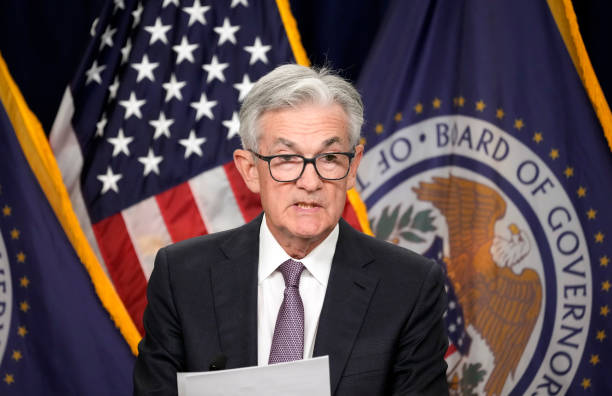
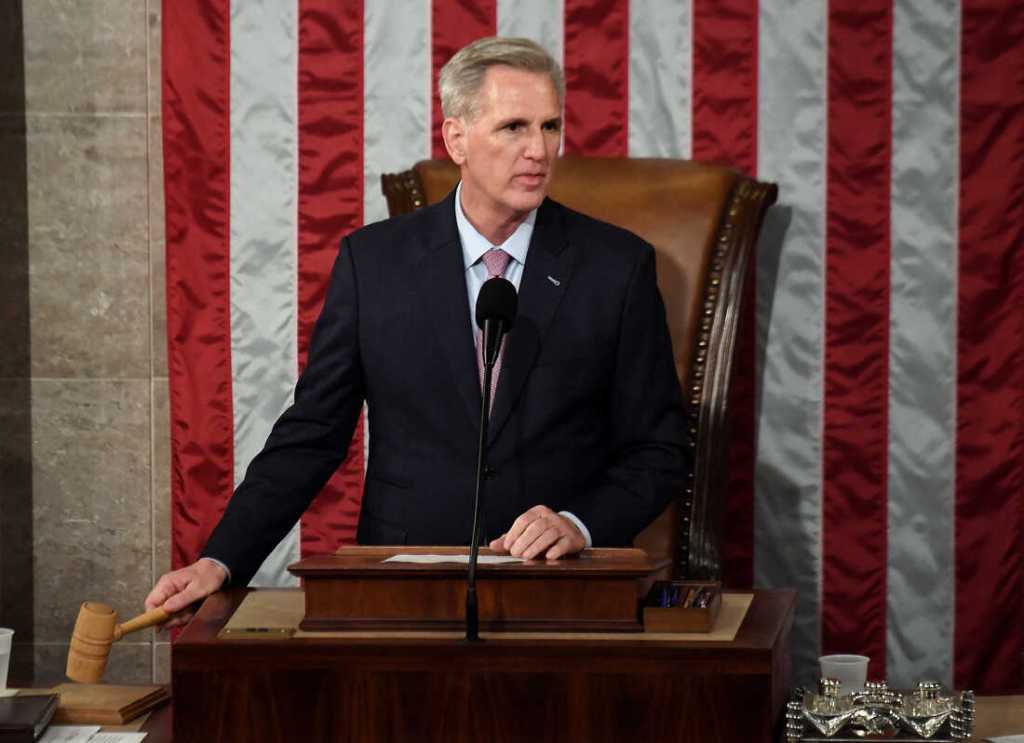
Over time, the modern tendency of American voters to switch party control of the federal government with much frequency–along with the inherent structure of separation of powers within the national government and split of authority between federal and state governments–favors relatively less extreme and more moderate or incremental policies. This tendency towards moderation generally is beneficial to the financial markets, regardless of which party is in power at any particular time. With enough discernment, an investor should be able to discover a bull market in some part of the economy no matter who is President.
However, as part of this tendency, the modern trend in favor of split party control of the presidency and Congress also frequently produces short-term policy standoffs that may threaten short-term government shutdowns over the budget or defaults on the national debt. These types of standoffs may seriously and negatively impact the stock market and overall financial markets in the short-to-intermediate term. In the near future, for instance, there appears to be developing a standoff between the Democrat President and Republican House of Representatives over whether to impose any spending restrictions in exchange for raising the federal debt ceiling. These sorts of incidents almost always provoke a short-term panic resulting in a broad-based market selloff, followed by an eventual relief rally whenever the standoff happens to be resolved. Nonetheless, the terms of the resolution of the standoff or unresolved issues left for the future can also always linger over the market.
III. Investors Should Consider Multiple News and Commentary Sources from Different Political Perspectives
Even as politics may be a tenuous predictor of actual stock market and industry sector performance, many stock market commentators and analysts still are excessively influenced by their own political perspectives. When their side is in charge, they think the market will do nothing but go up. When the other side is in charge, they want to run away and hide from the market.
Analysis of political bias in the general news media has been well-documented, reflecting an overall bias in the liberal direction in favor of the Democratic Party, even as distinct parts of the media favor conservatives and Republicans. This analysis of political bias would carry over to a certain extent with the part of the news media specifically geared towards financial news. This influence is in large part representative of the aforementioned outsized influence that politics now has on almost all aspects of modern American society. Investors thus need to always be cognizant of this bias and to always consult multiple news sources with different political perspectives.
The great political divide in general TV news pits the liberal CNN, MSNBC, and the (formerly) “big three” networks against ratings leader conservative Fox News, along with several unaffiliated conservative upstarts. In financial news, although political bias may be more understated, CNBC has more of a liberal slant (consistent with corporate relatives NBC and MSNBC), while Fox Business is more conservative-oriented. In the still-influential financial print media, the conservative-leaning Wall Street Journal is dominant, even as Bloomberg and financial news coverage from the New York Times and Washington Post lean to the left. However, in contrast to purely political news coverage, with investors’ overriding non-ideological objective of profit-making, it must be recognized that all of these financial news sources somewhat muffle their political bias relative to their news source cousins that focus more exclusively on politics.
Notwithstanding the muffled focus of these financial news outlets on investors’ profit-making, investors should be aware that these financial news outlets still have a political bias that may lead them astray in the investing realm. Recently for instance, as the Covid 19 pandemic afflicted the USA during Republican Donald Trump’s Administration in 2020, CNBC (in this author’s estimation) seemed to be afflicted by negative hysteria and automatically assumed that financial markets would irretrievably be headed in a downward trajectory. The more conservative-oriented Fox Business Channel seemed to focus on areas that justified economic optimism during this time, despite the immense toll on human life taken by the pandemic.
Then, in 2021 as President Joe Biden took office and enacted bigger-spending policies even as Covid subsided and supply chain problems were exacerbated, CNBC seemed to downplay the threat of inflation. Their vocal host Jim Cramer even disparaged anyone concerned about inflation as “inflationistas” whose concerns were illegitimate and geared (in his view) towards suppressing wage growth. On the other side, even as the Federal Reserve considered inflation to be “transitory,” Fox Business stories were often preoccupied on everyday hardships causes by inflation on consumers and businesses, even as the stock market as a whole was rising. Only after the Federal Reserve signaled that it would increase interest rates did CNBC emphasize the impacts of inflation and suggested that investors reposition themselves for a rising interest-rate environment.
Needless to say, investors should be aware of major developments affecting the economy regardless of whether those developments reflect positively or negatively on whichever political party is in power. Since all financial news outlets tend to reflect their own political bias that in turn may not be conducive to the best investment outlook, investors should use multiple news outlets that reflect multiple political perspectives. Just because a news source reflects a political perspective does not render it illegitimate, but it does mean that the investor should be aware of that bias and should consult sources with a contrary perspective.
Of course, ultimately the investor must also be able to think nimbly and to think for himself. As regards the marketplace of goods and services and money, following the free-flowing marketplace of ideas in pursuing the quest for truth is the optimal approach from a self-interested financial, and not just an abstractly philosophical, objective.
 Stock Market FIRE.com
Leave a comment